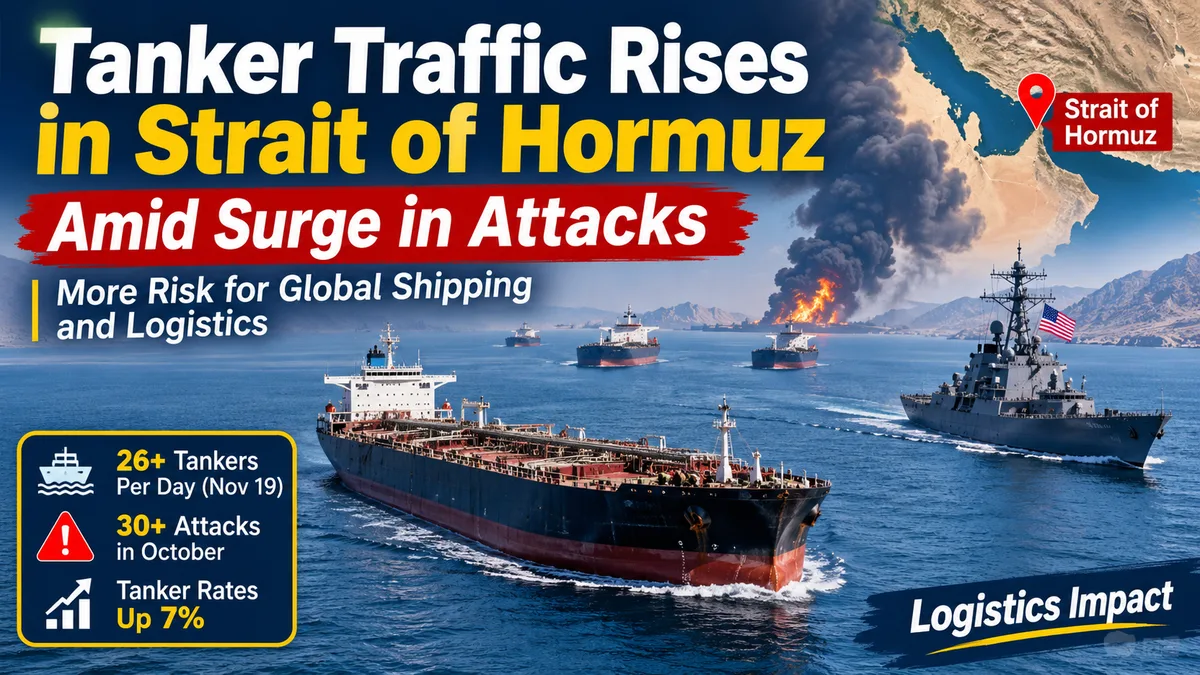

Tanker traffic through the Strait of Hormuz has risen this month, even as attacks on vessels in the contested waterway have increased. According to Vortexa data reported by Bloomberg, the number of ships carrying crude oil, fuels, and liquefied natural gas (LNG) stayed above 26 on a seven-day moving average through November 19. In October, daily transits were below 25 on at least two-thirds of the days.
Background: a waterway under pressure since February
The Strait of Hormuz has been at the center of the US-Iran conflict since it began in February 2026. Iran's attacks essentially closed the waterway in the early months of the war. After the US military launched a tanker protection effort in May, tankers began returning in greater numbers. A US Central Command spokesperson has said that transits continue despite what he called Iran's unwarranted aggression. At the same time, Iran says it will use "all available means" to confront the US naval blockade of its ports, and Tehran is under growing economic pressure from sanctions and lower oil prices.
Attacks are at their highest level since the war began
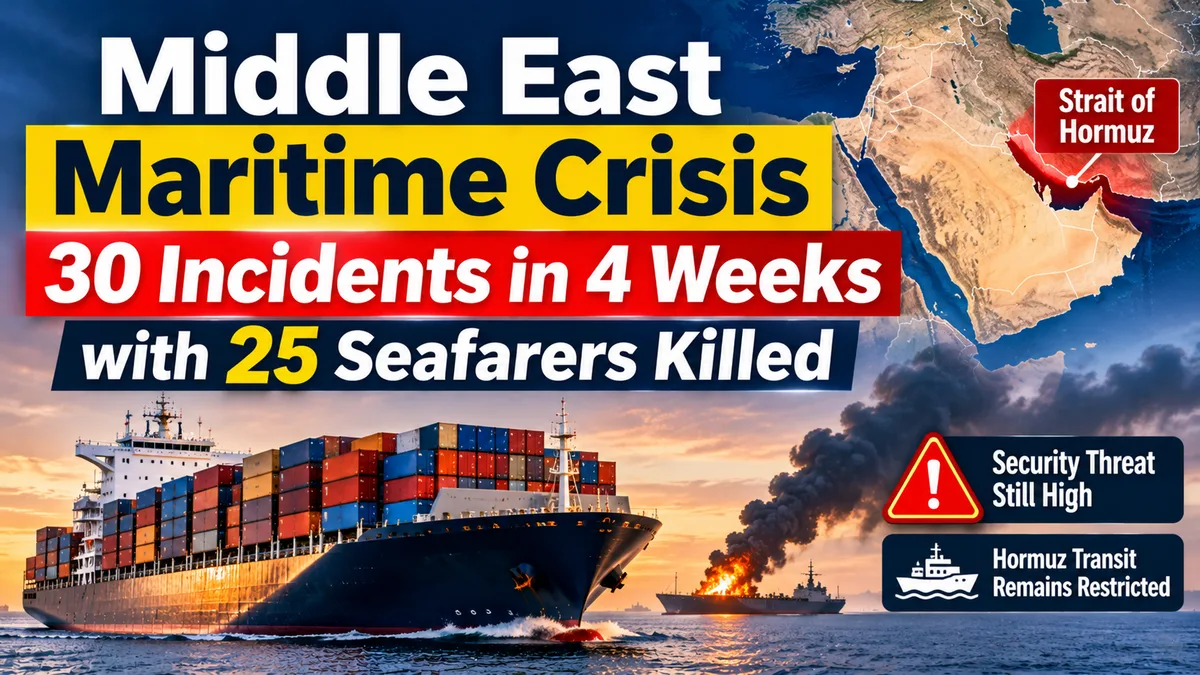
The rise in tanker traffic is happening alongside a sharp increase in violence. The Joint Maritime Information Center (JMIC) recorded seven tanker attacks in the strait between November 16 and 21, including three tankers struck near Oman on November 20 and 21. The same data shows more than 30 maritime attacks in October, the highest monthly total since the war began, with at least 22 more incidents recorded by November 22.
The UK Maritime Trade Operations (UKMTO) agency reported six tanker attacks in the week to November 18, four in the strait and two in the Persian Gulf. Two of the attacked tankers needed assistance, the outcome for the other four was unknown, and none was reported sunk. Maritime tracking data from Windward shows what these incidents look like in practice:
- November 16: An LPG tanker was hit about seven nautical miles north of Khasab, Oman, leaving it disabled with an engine room fire. It was struck again the next day, causing a second fire, and the crew abandoned the ship. One seafarer was reported missing.
- November 16: Another tanker east of Musandam was hit by a projectile, causing an engine room fire. All crew were accounted for.
- November 18: A tanker was struck in the engine room six nautical miles north of Khasab while heading out of the Gulf. The crew was safe.
- November 20: A tanker was hit on the port bow about eight nautical miles north of Khasab, causing a fire but no casualties.
JMIC kept its threat level at SEVERE and warned that more attacks on tankers using the southern corridor near Oman were highly likely. Other reports put the number of tankers hit in a single week even higher, with Al Jazeera citing more than 25 in the week to November 24. This shows how hard it is to get a clear count, since different agencies track different areas and use different definitions.
Why tanker traffic is rising while total traffic falls
The two trends can both be true because they measure different things. Vortexa tracks energy carriers such as crude tankers, fuel tankers, and LNG ships. These vessels carry the most valuable cargo and receive the most protection, so owners and buyers are willing to accept more risk to keep them moving. Lloyd's List Intelligence reported that at least 44 crude tankers sailed into the Middle East Gulf between October 19 and 25, up from 32 the week before and above the normal weekly average of about 41. LNG is recovering too, with 31 LNG tankers crossing in October, the highest since the war began, as Qatar and UAE gas exports bounced back.
Overall vessel numbers tell a weaker story. UKMTO counted 263 transits in the week to November 18, down from 308 the week before and about 65% below pre-war levels. Separate MarineTraffic data cited by Al Jazeera showed 226 vessels crossing between November 1 and 7, but only 125 between November 17 and 23. In short, more energy cargo is getting through, but fewer ships of other types are willing to take the risk.
Impact on tanker rates and markets
The latest wave of attacks has already pushed up shipping costs. The Baltic Dirty Tanker Index stood at 4,812 on November 19, up more than 5% in one day and by over 7% since the start of the week. This reversed a recent decline in tanker rates, although Seatrade Maritime noted that the rise is modest compared with the very high VLCC rates seen earlier in the crisis. The International Energy Agency has said it does not expect a return to pre-war confidence in Hormuz as a safe and reliable energy corridor.
What analysts expect next
Lloyd's List Intelligence has noted that the tanker fleet trading out of the Middle East Gulf has stayed flexible throughout the crisis, even during what it calls the most violent period so far. Analysts also warn that a severe escalation would first push tanker rates higher, followed by a sharp fall once fewer cargoes are available to carry. With US-Iran talks stalled and tensions renewed by the November attacks, the outlook remains uncertain.
What it means for logistics
For shippers and freight forwarders, the key lesson is that headline traffic numbers can mislead. A rise in tanker transits does not mean the strait is safe. Insurance costs, war risk premiums, crew safety, and delays remain serious concerns for any cargo linked to the Gulf. Practical steps include:
- Plan for higher freight and insurance costs on Gulf-linked cargo.
- Build extra time into delivery schedules for shipments that depend on Gulf energy or Gulf ports.
- Keep backup routing and sourcing options ready in case conditions worsen.
- Follow daily security updates from UKMTO and JMIC.
Key takeaways
- Tanker, fuel, and LNG transits through Hormuz stayed above 26 per day (seven-day average) in November through the 19th, up from October.
- Attacks are at their highest level since the war began, with more than 30 incidents in October and at least 22 by November 22.
- Overall vessel transits are still about 65% below pre-war levels and fell week to week in mid-November.
- Tanker rates rose after the latest attacks, with the Baltic Dirty Tanker Index up more than 7% in one week.
- The security threat level remains SEVERE, and further attacks are expected.
For freight forwarders and shippers with Gulf exposure, the safest approach is to treat rising traffic as a sign of market resilience, not as a sign that the risk has gone away. Staying close to daily security and rate updates will help you manage both cost and safety in the weeks ahead.


Comments
No comments yet. Be the first to share your thoughts!