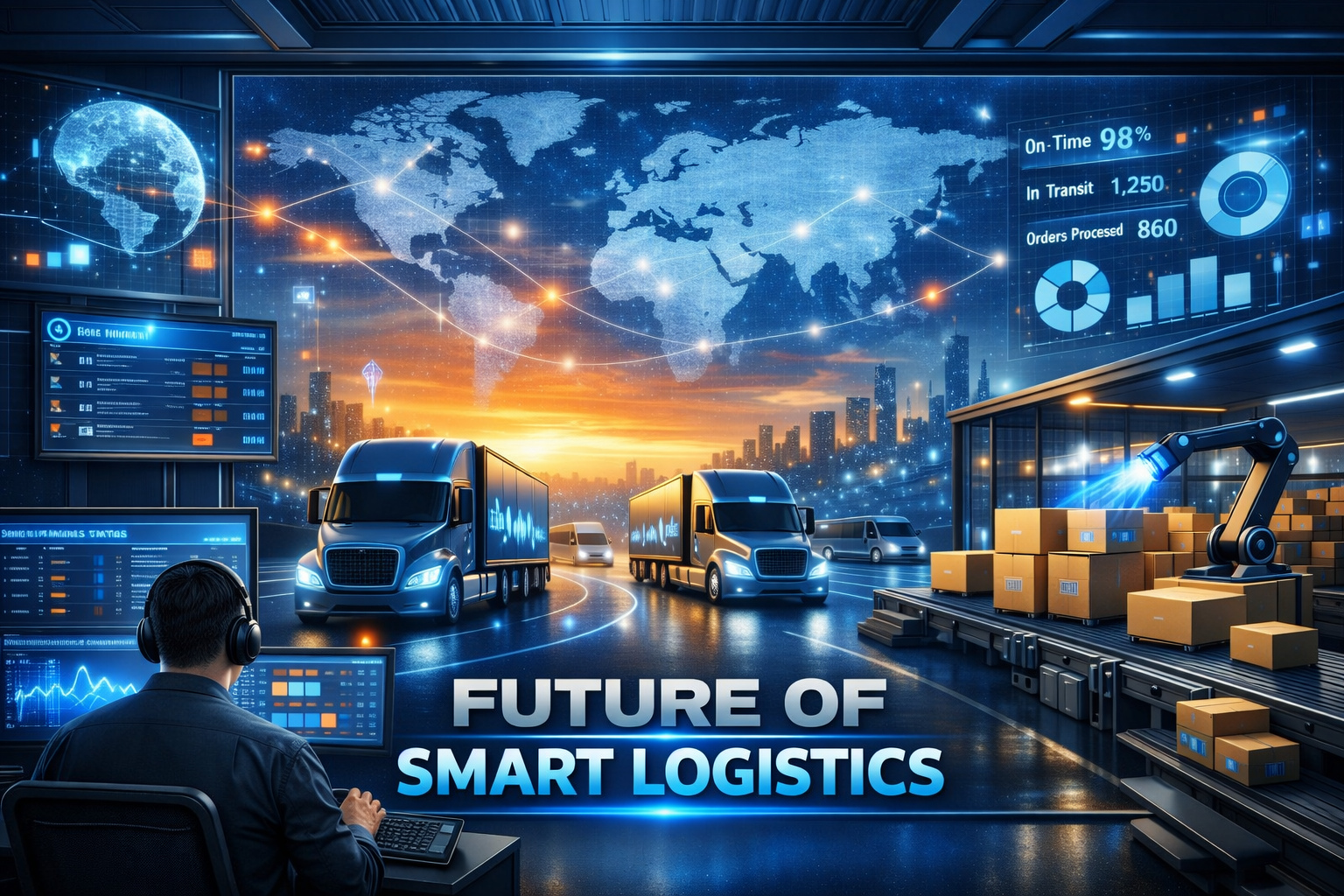
The logistics industry continues to adopt artificial intelligence at a rapid pace, with companies using AI-powered systems to improve delivery efficiency and reduce operational costs. In one of the latest developments, a U.S.-based logistics company has successfully reduced its delivery routes by nearly 50% using advanced AI software.
AI Improving Last-Mile Delivery
Net Zero Logistics, a delivery company based in Connecticut, recently implemented AI-powered route optimization software developed by Finmile. Before using the system, the company operated between 30 to 40 delivery routes daily. After integrating the AI solution, the company reduced the number of routes to around 16 to 20 per day while maintaining delivery performance.
The software uses artificial intelligence to analyze traffic conditions, delivery locations, service schedules, and operational data in real time. This allows the system to continuously optimize routes and improve delivery efficiency.
Faster Package Sorting and Lower Costs
In addition to route optimization, the AI system also improved package sorting operations. Previously, workers manually sorted packages early in the morning before deliveries started. The new system now automatically assigns packages to optimized routes after drivers scan them.
This automation has reduced labor-intensive work, improved sorting speed, and helped lower operational costs for the company.
Growing Role of AI in Logistics
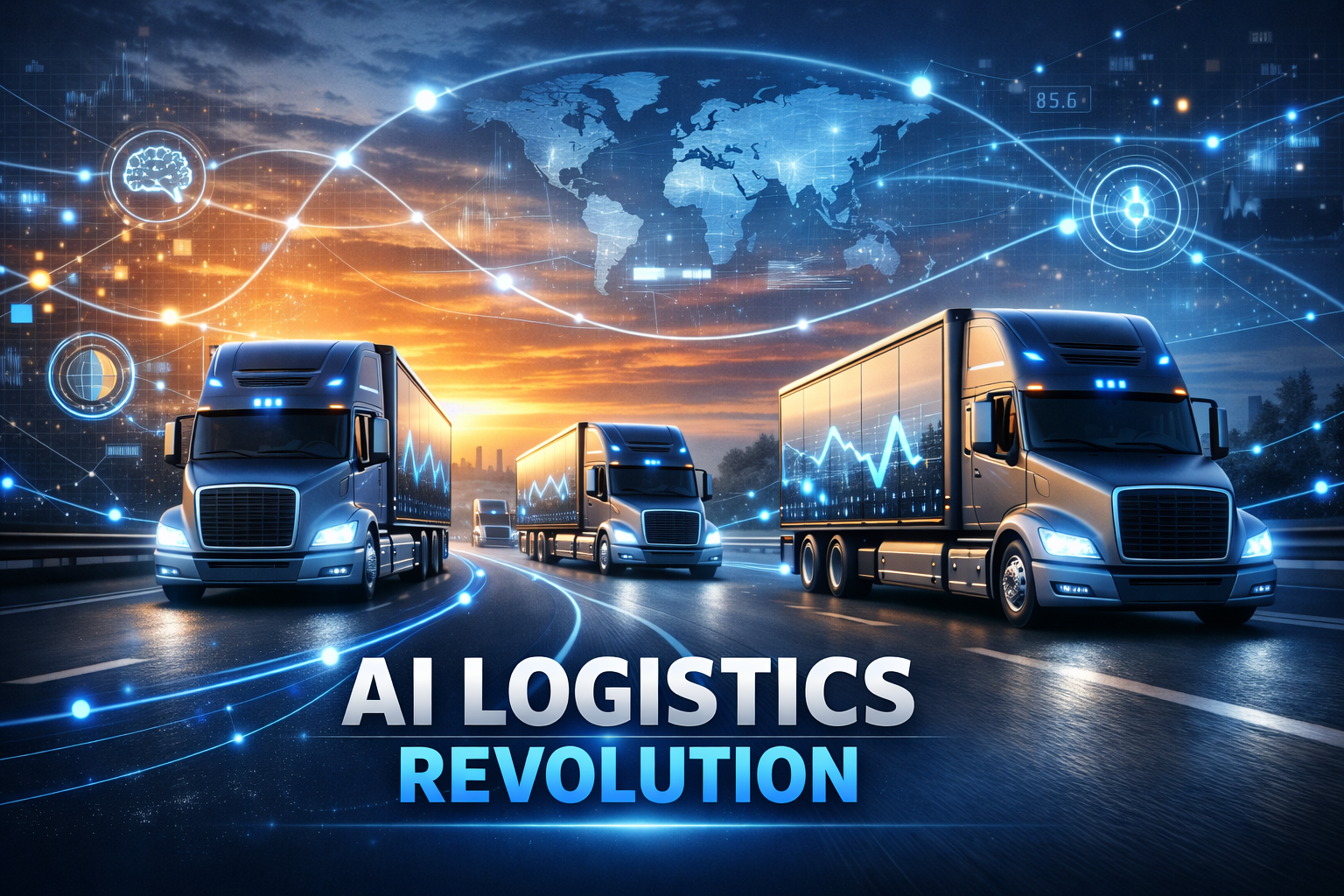
The latest development reflects a broader trend across the logistics industry, where artificial intelligence is becoming increasingly important in freight management, warehouse operations, and transportation planning.
Logistics companies are investing heavily in AI technologies to improve delivery accuracy, reduce fuel consumption, and enhance customer satisfaction. Real-time tracking, predictive analytics, and automated decision-making are now becoming standard tools in modern supply chain operations.
Industry Experts See Strong Future Growth
Industry analysts believe AI-driven logistics solutions will continue expanding as businesses search for more efficient and cost-effective supply chain strategies. The rise of e-commerce and growing customer expectations for faster deliveries are also driving demand for smarter logistics technology.
Experts say companies that adopt AI early may gain a major competitive advantage by improving operational performance and reducing delivery delays.
Conclusion
The successful use of AI-powered route optimization by Net Zero Logistics demonstrates how artificial intelligence is transforming the logistics industry. From route planning to package sorting, AI is helping logistics companies operate faster, smarter, and more efficiently.
As the logistics sector continues evolving, AI technology is expected to play an even larger role in shaping the future of global supply chains and freight transportation.
Comments
No comments yet. Be the first to share your thoughts!
Join the conversation
You need an account to comment on articles.